


.

Industrial Ethernet networks are often required to connect equipment across production facilities, outdoor installations, traffic control systems, and other geographically distributed locations. In these environments, the distance between network devices is not always short enough for a conventional copper Ethernet connection.
This is where fiber optic communication becomes an important part of network planning. By converting electrical Ethernet signals into optical signals, an industrial media converter allows data to travel over fiber optic cables across longer distances. However, choosing a fiber connection is not simply about reaching the farthest possible point. Engineers also need to consider the actual communication distance, installation environment, electromagnetic interference, and long-term operating conditions.
For industrial applications, getting these details right can make network deployment more practical and reliable.
1. Why Is Transmission Distance Important in Industrial Ethernet Networks?
In a typical industrial environment, Ethernet devices may be distributed across different workshops, production lines, control rooms, or outdoor facilities. The physical distance between switches, controllers, monitoring equipment, and other network devices can create challenges for conventional copper cabling.
Standard copper Ethernet connections are generally limited to 100 meters per channel segment under common Ethernet cabling specifications. When devices are located farther apart, additional network equipment or a different transmission medium may be required.
Fiber optic cables provide an alternative for these longer connections. Instead of transmitting electrical signals through copper conductors, they carry data as light signals through optical fibers. This makes fiber suitable for connecting equipment across greater distances while reducing susceptibility to electromagnetic interference.
For industrial network designers, transmission distance directly affects cable routing, equipment placement, network architecture, and installation costs. Selecting an appropriate fiber solution at the planning stage helps avoid unnecessary network extensions or equipment changes later.
2. How Do Industrial Media Converters Extend Ethernet Communication?
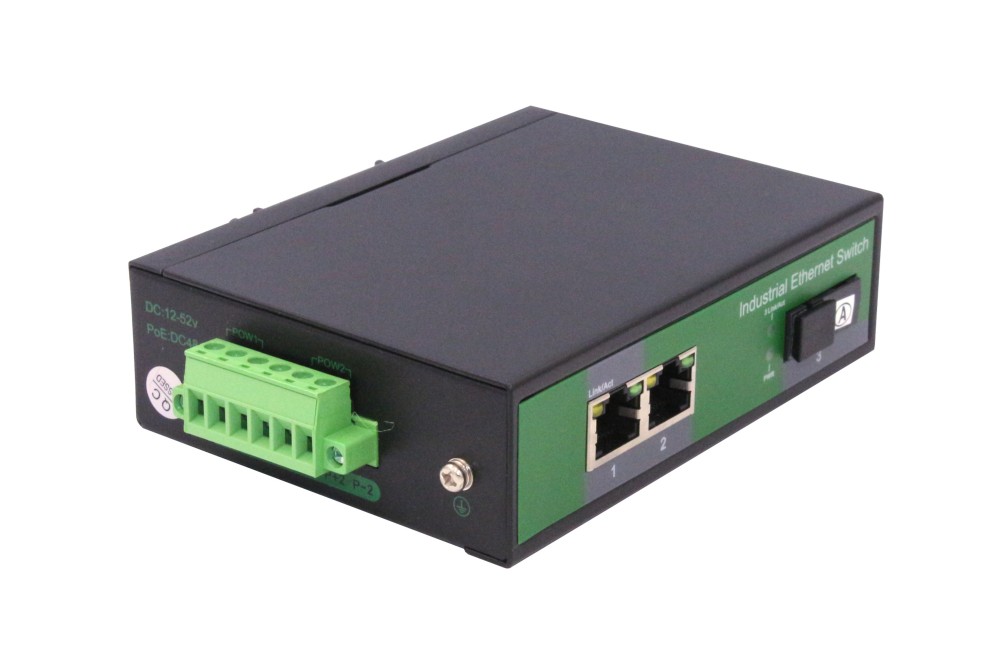
An industrial media converter bridges the connection between copper Ethernet and fiber optic networks. It receives electrical signals from an Ethernet port and converts them into optical signals for transmission through fiber. At the receiving end, another compatible converter can convert the optical signals back into electrical Ethernet signals.
This conversion makes it possible to integrate existing Ethernet equipment into a fiber-based network without replacing every connected device.
The Yuhang ZXRL12F series is designed for 10/100Base-TX to 100Base-FX conversion. It supports industrial Ethernet connections that require fiber optic transmission over different distances.
Two available models address different installation requirements:
ZXRL12F-SC2: Supports fiber transmission distances of up to 2km.
ZXRL12F-SC20: Supports fiber transmission distances of up to 20km.
These options give network planners more flexibility when connecting nearby industrial equipment or linking facilities across a larger site. Rather than selecting a longer-distance solution for every installation, engineers can match the converter to the actual network layout.
3. How Should Engineers Choose Between 2km and 20km Fiber Connections?
The required transmission distance should be one of the first considerations when selecting an industrial fiber media converter. A solution designed for 2km may be suitable for connections within a factory or between nearby buildings, while a 20km option can support more widely distributed installations.
However, the longest available distance is not automatically the best choice. Engineers should evaluate the actual cable route, the locations of network devices, and the optical specifications of the equipment.
For example, a production facility may only need to connect two control areas several hundred meters apart. In this case, the ZXRL12F-SC2 offers a transmission distance of up to 2km, which may be sufficient for the installation.
By comparison, a network connecting remote monitoring points, outdoor equipment, or separate facilities may require a longer fiber link. The ZXRL12F-SC20, with a supported distance of up to 20km, provides another option for these applications.
When making the selection, it is also important to verify fiber type, connector compatibility, optical wavelength, and link budget. Actual transmission performance depends on the complete optical link, not just the converter's advertised maximum distance.
4. Why Does Electromagnetic Interference Matter in Industrial Environments?
Transmission distance is only one part of industrial network planning. The operating environment can also influence communication reliability.
Factory floors, electrical control cabinets, motor-driven equipment, and traffic control installations may contain sources of electromagnetic interference (EMI). Heavy electrical equipment, switching operations, and electrical surges can create conditions that are more demanding than those found in ordinary office networks.
Copper Ethernet cables can be affected by electromagnetic noise, particularly when installation conditions or cable routing are not properly managed. Fiber optic communication offers an important advantage because optical signals do not rely on electrical conduction through the cable. This helps reduce the risk of electromagnetic interference affecting the fiber transmission path.
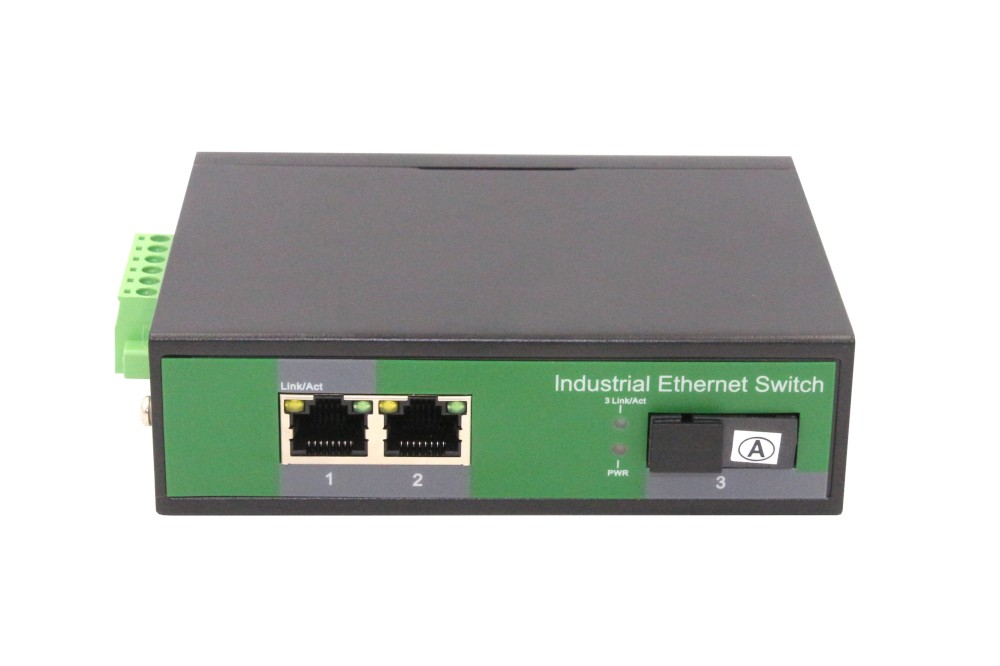
The Yuhang ZXRL12F series is designed with a high level of immunity to electromagnetic interference and heavy electrical surges. This makes it suitable for industrial network applications where electrical conditions may be less predictable.
It is important to consider the entire installation, however. Fiber isolation helps protect the communication link from electrical noise along the optical path, while proper grounding, surge protection, and power supply design remain necessary for connected equipment.
5. Why Is a Wide Operating Temperature Range Important?
Industrial communication equipment is not always installed in temperature-controlled rooms. Some media converters operate inside outdoor traffic control cabinets, exposed industrial areas, or equipment enclosures where temperatures can change significantly throughout the day and across seasons.
If a converter cannot tolerate the surrounding temperature, its operation may become unstable or its service life may be affected.
The Yuhang ZXRL12F series is designed to operate within a temperature range of -40°C to 75°C. This wide operating range allows the equipment to be considered for installations exposed to cold outdoor conditions as well as high-temperature industrial environments.
In addition to temperature tolerance, the series features durable components and a strong housing case. These design characteristics support deployment in electrically harsh and climatically demanding locations.
For network planners, checking the operating temperature range is particularly important when equipment will be installed in unconditioned cabinets, outdoor control points, or industrial areas with limited ventilation.
6. What Should Buyers Check Before Selecting an Industrial Media Converter?
Choosing an industrial media converter involves more than comparing transmission distances. A practical evaluation should cover several technical details:
Transmission distance: Confirm whether the application requires a 2km or 20km fiber connection. Allow for the actual cable route and optical link requirements.
Ethernet compatibility: Check that the converter supports the required copper and fiber interfaces. The ZXRL12F series supports 10/100Base-TX to 100Base-FX conversion.
Fiber and connector specifications: Verify the fiber type, SC connector compatibility, wavelength, and optical parameters before placing an order.
Environmental conditions: Consider the installation temperature, electrical interference, surge exposure, and physical conditions surrounding the equipment.
Installation requirements: Review power supply requirements, mounting arrangements, and compatibility with the existing network infrastructure.
These checks help buyers avoid selecting equipment based only on one specification while overlooking other factors that affect deployment.
7. Yuhang ZXRL12F Series for Industrial Fiber Network Applications
For industrial networks that need to extend Ethernet communication beyond conventional copper cabling distances, a suitable media converter can simplify the connection between existing Ethernet equipment and fiber optic infrastructure.
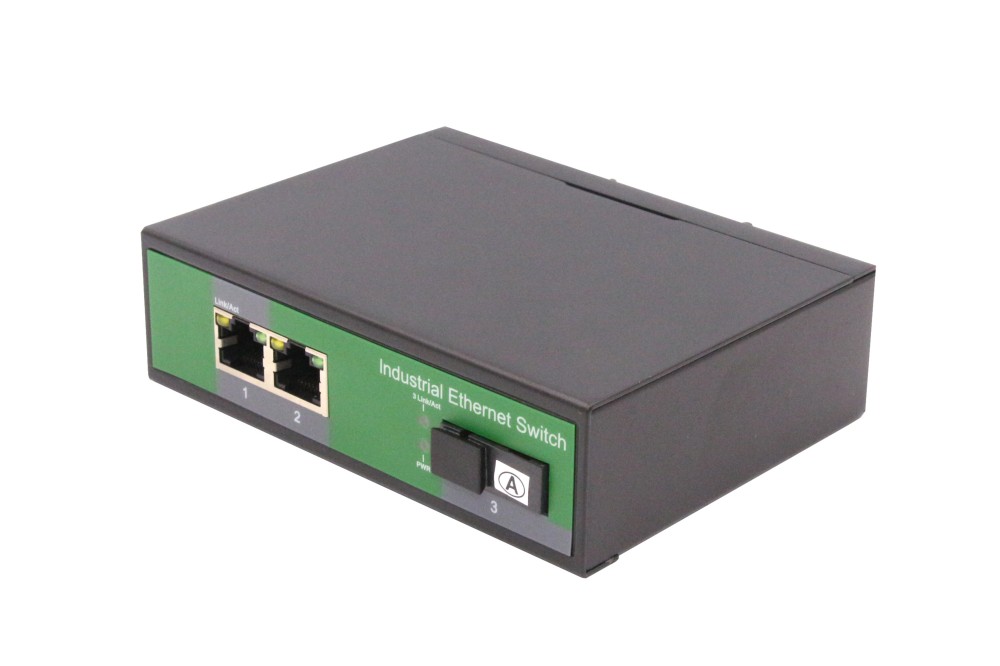
The Yuhang ZXRL12F series combines 10/100Base-TX to 100Base-FX conversion with two transmission distance options: up to 2km for the ZXRL12F-SC2 and up to 20km for the ZXRL12F-SC20.
Its industrial design also addresses environmental requirements through durable components, a strong housing case, electromagnetic interference immunity, surge resistance, and an operating temperature range of -40°C to 75°C.
These characteristics make the series relevant to applications such as factory automation networks, industrial control systems, outdoor monitoring installations, and traffic control cabinets.
Conclusion:
Fiber distance matters because industrial Ethernet networks rarely operate under identical installation conditions. The distance between devices, cable routing, electromagnetic interference, and surrounding temperatures all influence the choice of communication equipment.
An appropriate industrial media converter helps bridge copper Ethernet and fiber optic infrastructure while providing flexibility for different network layouts. With the Yuhang ZXRL12F-SC2 supporting distances of up to 2km and the ZXRL12F-SC20 supporting up to 20km, engineers can select a model according to their actual connection requirements.
By evaluating transmission distance alongside environmental resistance and interface compatibility, network designers can build industrial Ethernet connections that are better suited to their operating conditions.